
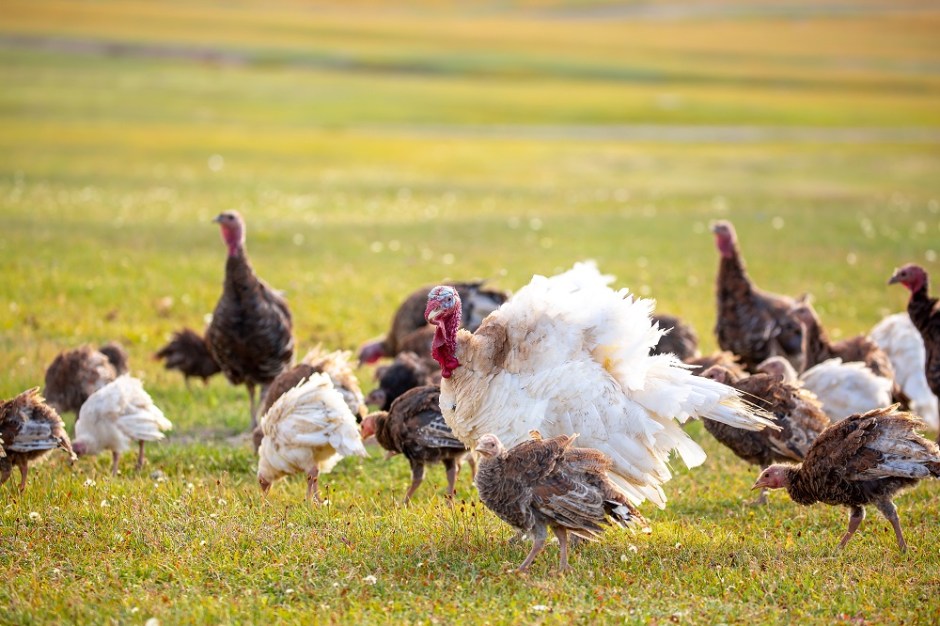
Turkeys can develop bacterial infections for different reasons, even when they receive proper care. When an infection occurs, antibiotics may be one of the treatment options a veterinarian considers. However, the appropriate medication depends on the bacteria involved and the condition being treated, as well as the specific product available for use in turkeys. Some medications may also have restrictions for food-producing birds. Knowing the commonly used options can give poultry owners a better starting point when discussing treatment with a veterinarian.
Amoxicillin
Amoxicillin is a penicillin-type antibiotic that may be used against certain susceptible bacterial infections in poultry. It works by interfering with bacterial cell wall formation, which prevents susceptible bacteria from growing and multiplying.
One consideration with amoxicillin is that its effectiveness depends on the bacteria causing the infection. A veterinarian may assess the turkey’s condition and the likely cause of illness before determining if this antibiotic is appropriate. The specific product instructions should also be followed closely, including the recommended dosage and treatment period. For turkeys raised for food, any applicable withdrawal period must be observed.
Oxytetracycline
Tetracycline antibiotics take a different approach to controlling bacteria. Oxytetracycline interferes with bacterial protein production, making it harder for susceptible organisms to grow. It may be considered for certain bacterial infections in poultry when the bacteria are responsive to this type of medication.
Resistance is an important consideration with oxytetracycline. Bacteria that have developed resistance may not respond as expected, which can limit the usefulness of the medication. This makes appropriate antibiotic selection particularly important rather than assuming that an antibiotic will work simply because an infection appears bacterial.
Chlortetracycline
Chlortetracycline is also part of the tetracycline family, so it shares oxytetracycline’s general mechanism of action. Its place in turkey treatment is therefore closely tied to the type of bacteria involved and the specific product being used.
Rather than focusing only on the medication itself, it is important to consider what may be causing the turkey’s illness. Respiratory problems, poor appetite, weakness, and other changes can occur with bacterial infections but may also have viral, parasitic, or environmental causes. Identifying the underlying problem helps determine if an antibacterial treatment is warranted at all.
Erythromycin
Erythromycin belongs to the macrolide family, giving it a different mechanism from the penicillin and tetracycline antibiotics discussed above. It interferes with bacterial protein synthesis, which can slow the growth of susceptible bacteria. Its use is more dependent on the particular disease and product than simply matching a symptom to a medication. Approved uses and regulatory requirements can also vary. For food-producing turkeys, these details are especially important because not every product is appropriate for every situation.
Penicillin
Penicillin is another established antibiotic group in veterinary medicine and may have a role in treating certain bacterial diseases in turkeys. One example is erysipelas, a disease caused by Erysipelothrix rhusiopathiae. It can spread within a flock and may require prompt attention when suspected.
When these bacteria are susceptible, penicillin-class antibiotics may be used as part of the treatment approach. Many companies, like US Vet, offer antibiotic products formulated for turkeys that can be administered through drinking water, providing a practical way to deliver medication to an affected flock when directed by a veterinarian. This can be particularly useful when multiple birds require treatment at the same time.
For drinking-water medications, proper preparation and administration are important. The product label should be followed for instructions on mixing, dosage, treatment duration, and any required withdrawal period. This helps ensure the medication is used as intended.
Sulfonamides
Sulfonamides offer yet another approach to controlling bacterial growth. Instead of interfering with cell wall formation or protein production, these antibiotics interfere with processes that susceptible bacteria need to grow.
Certain sulfonamide products have been used in veterinary medicine for bacterial infections, but their use in turkeys comes with product-specific considerations. Approved applications and restrictions can differ depending on the medication and location. Poultry owners should therefore review the applicable label and seek veterinary direction before using a sulfonamide product.
Conclusion
The antibiotics used for bacterial infections in turkeys are not interchangeable. Amoxicillin, oxytetracycline, chlortetracycline, erythromycin, penicillin, and sulfonamides belong to different antibiotic groups and have different applications and considerations. The most appropriate treatment depends on identifying the cause of illness and selecting a medication that is suitable for that specific situation. Veterinary guidance can help ensure the antibiotic is used appropriately, while following product directions and withdrawal requirements helps support responsible treatment and food safety.

